
 Español
 Русский
 Français
 Deutsch
 简体中文
简体中文
 Árabe
Árabe
 Português
 日本語
日本語
 한국어
한국어
 हिंदी
हिंदी
 Prancis
 Türkçe
 Tiếng Việt
 Italiano
 ไทย
ไทย
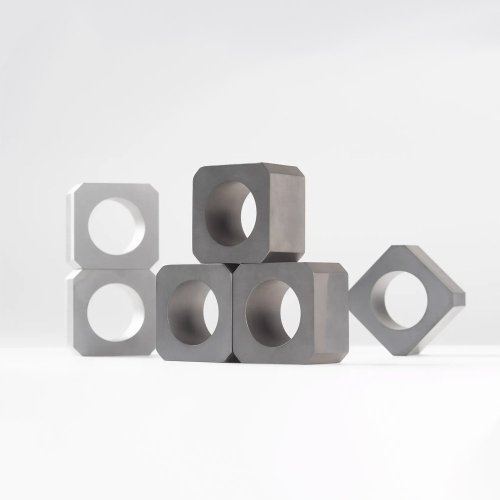
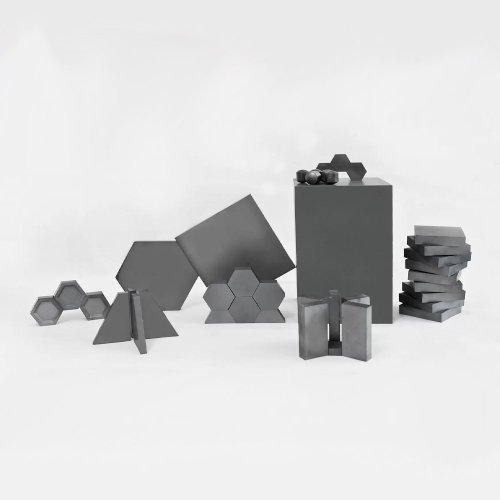
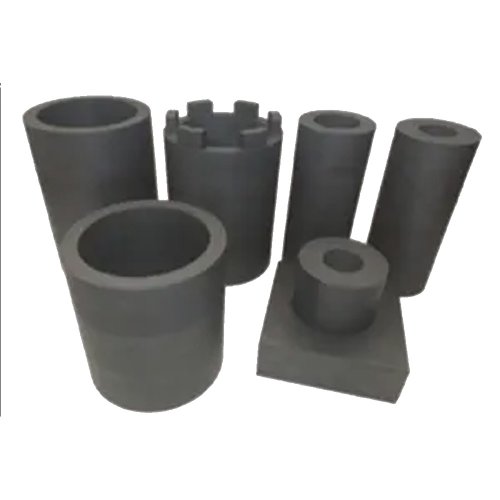
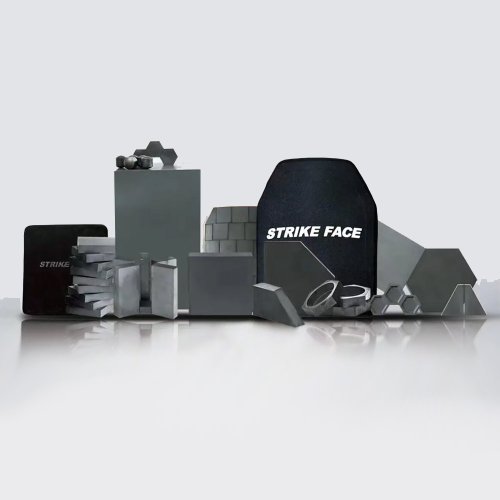
Boron carbide industrial applications: A diversified layout from "industrial teeth" to strategic materials
I. Grinding and Polishing: The Most Mature Industrial Application
As an artificial superhard material second only to diamond and cubic boron nitride in hardness, boron carbide occupies a unique position in the abrasives processing field, often referred to as "black diamond."
Core Application Scenarios:
Hard Material Processing: Used for grinding, lapping, drilling, and polishing of hard alloys, gemstones, ceramics, sapphire, tungsten carbide, and other materials. Boron carbide lapping powder, with its high cutting rate and narrow particle size distribution, delivers excellent surface quality.
Sandblasting and Nozzle Manufacturing: Boron carbide nozzles have a service life tens of times longer than alumina nozzles, far surpassing WC and SiC nozzles, offering significant cost and time advantages in sandblasting and waterjet cutting applications.
Diamond Substitute: Due to its non-magnetic properties, high grinding efficiency, and lack of contaminant introduction, boron carbide is considered an ideal substitute for diamond abrasives. Manufacturers such as 3M have optimized it into high-purity, high-boron-content products for applications including wire sawing and ultrasonic drilling.
Product Forms: Available in various micron powder grades from W3.5 to W40, as well as lapping pastes, sandblasting nozzles, and other finished products.
II. Wear-Resistant and Mechanical Components: Core Applications of Engineering Ceramics
With its ultra-high hardness and excellent wear resistance, boron carbide is widely used in the manufacture of various wear-resistant components and precision engineering ceramics.
Core Application Scenarios:
Mechanical Seals: Used in bearing support surfaces, mechanical seal rings, mud pump plungers, and other components, playing a critical role under special operating conditions.
Nozzles and Wear-Resistant Linings: In addition to sandblasting nozzles, also used in waterjet nozzles, wear-resistant linings, and other high-wear applications.
Precision Measurement and Tools: Used in the manufacture of truing tools, grinding discs, precision measurement components, and more.
The advantages of boron carbide ceramic components lie in their light weight (only 1/3 that of steel), high hardness, and corrosion resistance, enabling long-term service in corrosive environments such as chemical and petroleum industries.
III. Refractory and High-Temperature Materials: The "Evergreen" in Heat Resistance
Boron carbide has a melting point as high as 2450°C and maintains structural stability at high temperatures, making it an important raw material for advanced refractory materials and heat-resistant products.
Core Application Scenarios:
Refractory Additives: Used as an additive in high-grade refractory materials, wear-resistant welding rods, and other products to enhance oxidation resistance, high-temperature resistance, and wear resistance.
High-Temperature Structural Components: Used in the manufacture of high-temperature furnace tubes, thermocouple protection tubes, refractory structural parts, and more.
Aerospace Thermal Protection: Leveraging its low density and high melting point, it is used in lightweight high-temperature structural components in aerospace applications.