

 Español
 Русский
 Français
 Deutsch
 简体中文
简体中文
 Árabe
Árabe
 Português
 日本語
日本語
 한국어
한국어
 हिंदी
हिंदी
 Prancis
 Türkçe
 Tiếng Việt
 Italiano
 ไทย
ไทย
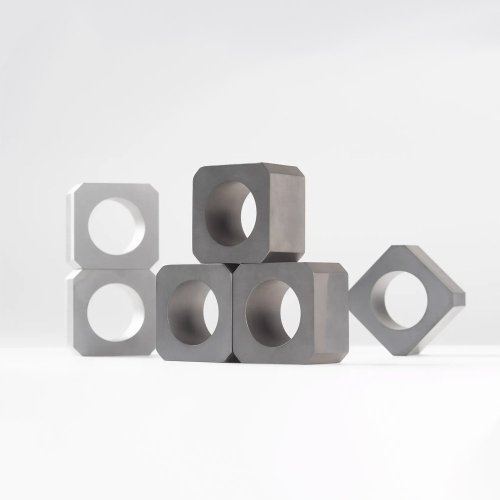
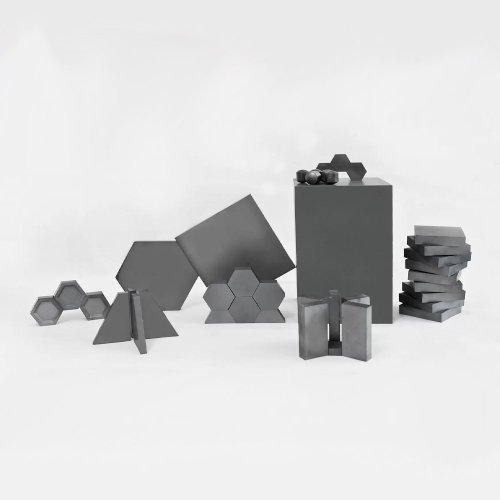
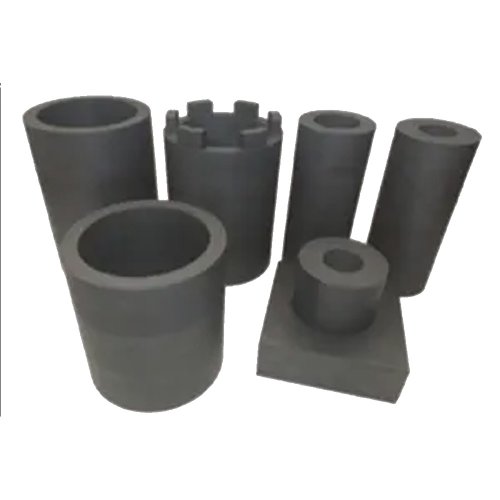
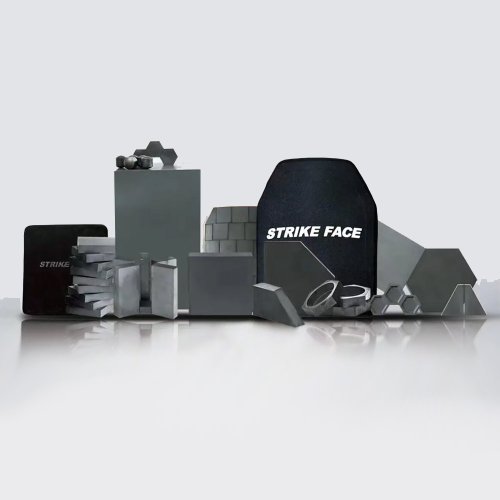
Boron Carbide - High Temperature, High Pressure and Abrasive Blast Resistant Nozzles
Boron Carbide - High Temperature, High Pressure and Abrasive Blast Resistant Nozzles
Boron carbide (B₄C) is a premier ceramic material for demanding nozzle applications, offering an exceptional combination of extreme hardness, chemical inertness, thermal stability, and wear resistance. In environments where conventional metallic or ceramic nozzles rapidly degrade, boron carbide delivers superior performance and extended service life.
Exceptional Hardness and Wear Resistance
With a Vickers hardness approaching 30 GPa, boron carbide ranks among the hardest known materials, second only to diamond and cubic boron nitride. This extreme hardness translates into outstanding resistance to abrasive wear. In abrasive blasting operations, where hard particles are propelled at high velocities through nozzle orifices, B₄C nozzles last up to one hundred times longer than those made from soft metals or tungsten carbide. In water jet cutting applications, the dimensional stability of boron carbide nozzles ensures consistent cutting precision over extended periods, significantly reducing downtime and replacement costs.
Chemical Stability and Oxidation Resistance
A critical advantage of boron carbide is its remarkable chemical inertness. Unlike silicon carbide, which oxidizes at relatively modest temperatures, boron carbide remains chemically stable and resists oxidative degradation under most operating conditions. This property is particularly valuable in high-temperature applications such as thermal spraying, plasma cutting, and high-temperature powder conveying systems. Additionally, boron carbide exhibits excellent resistance to attack by molten metals and various corrosive chemicals, broadening its applicability across industrial sectors.
Mechanical Robustness and Lightweight Advantage
Boron carbide combines high fracture toughness and excellent compressive strength with a low density of approximately 2.52 g/cm³. This lightweight characteristic reduces inertia and minimizes dynamic wear in moving components, further extending operational life while facilitating handling and installation.
Manufacturing and Processing
The extreme hardness that makes boron carbide so effective in service also presents significant manufacturing challenges. Conventional machining techniques are ineffective, necessitating diamond grinding methods for precision fabrication. Commercially, boron carbide powders are produced via fusion or magnesiothermic reactions, yielding fine stoichiometric powders with impurities typically below 2% graphite content. These powders are consolidated into dense preformed nozzle shapes through sintering techniques such as hot pressing or pressureless sintering.
Economic Benefits
While initial acquisition costs exceed those of metallic alternatives, the economic case for boron carbide nozzles is compelling. Extended service life—typically 50 to 100 times longer—translates into substantial reductions in replacement frequency, labor costs, and production interruptions, delivering significant cost savings and enhanced productivity over the equipment lifecycle.