
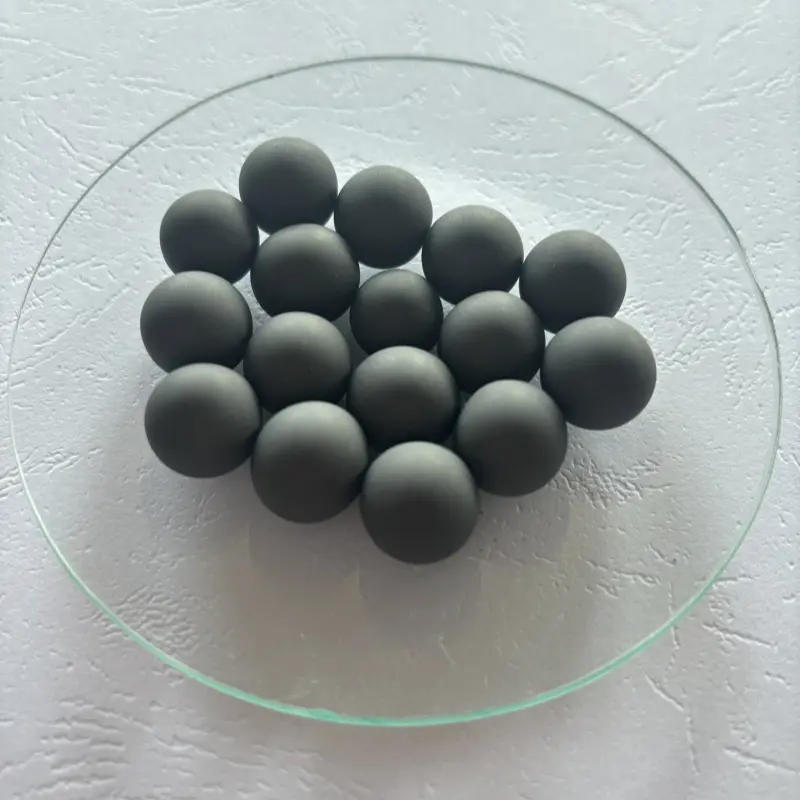
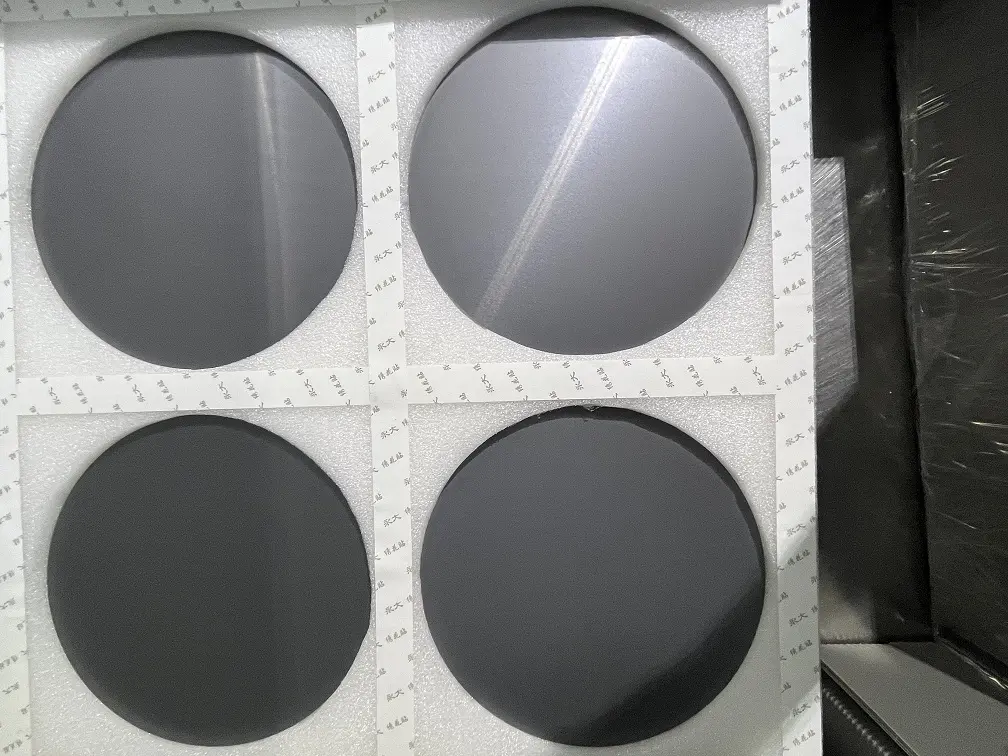
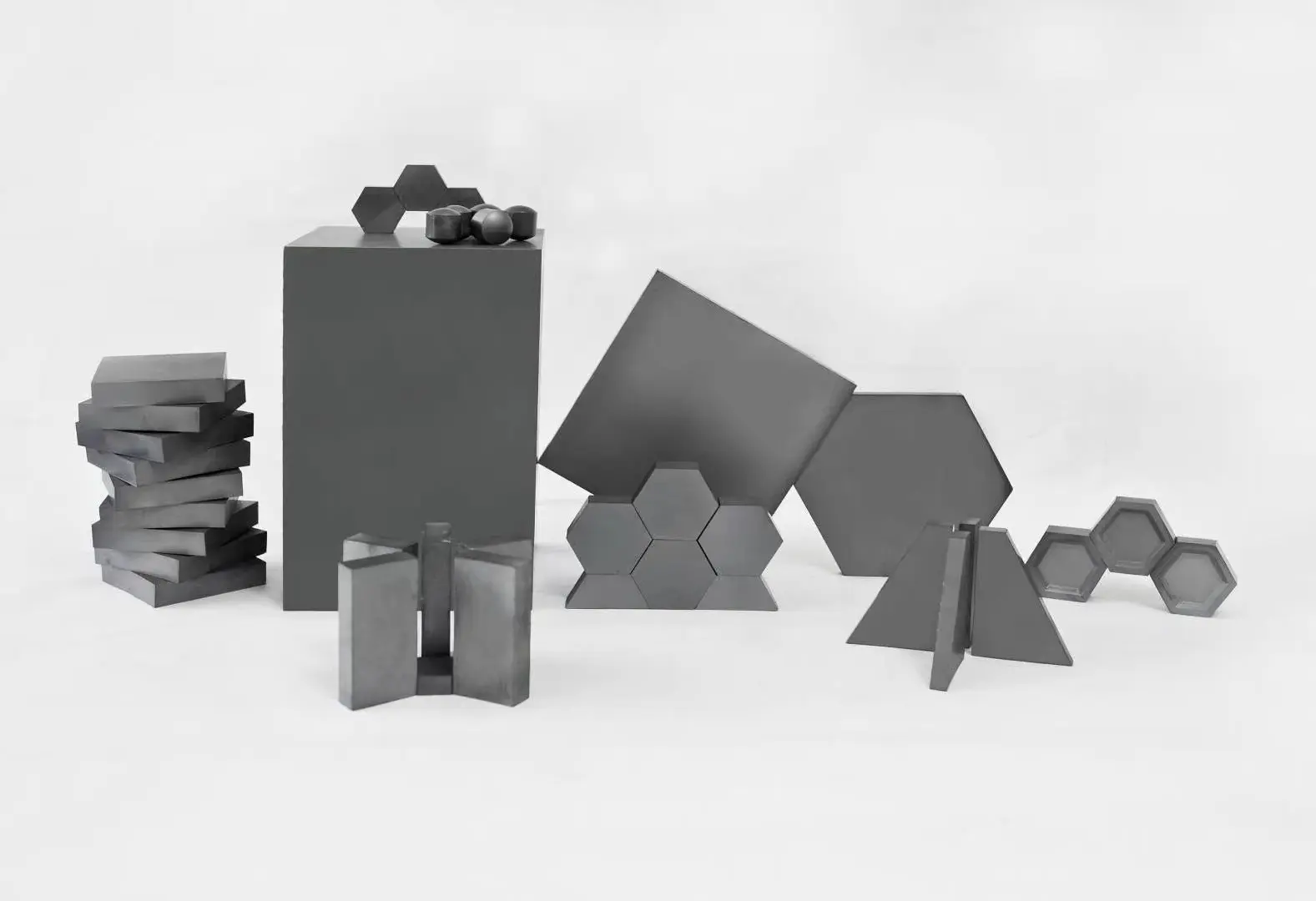
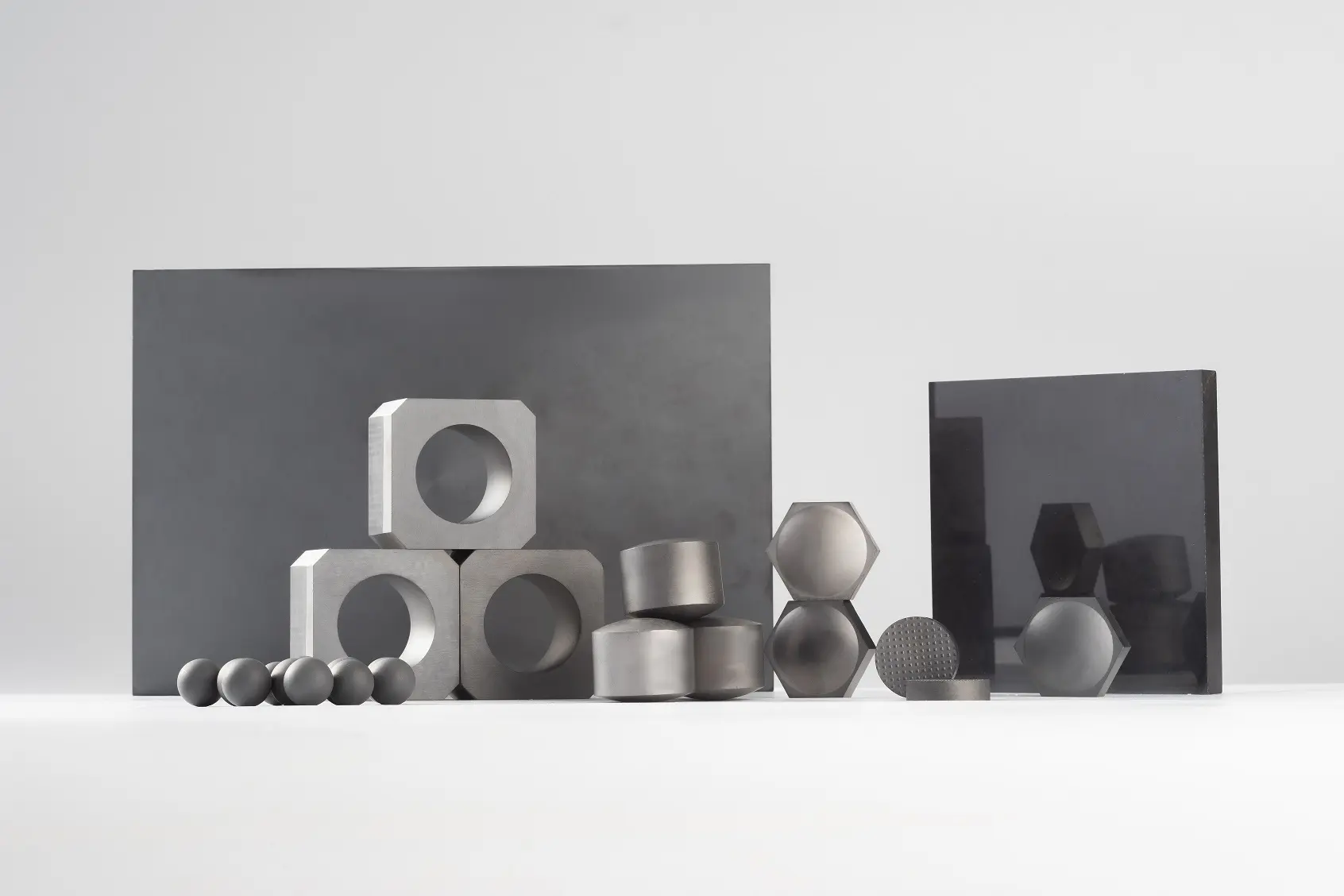
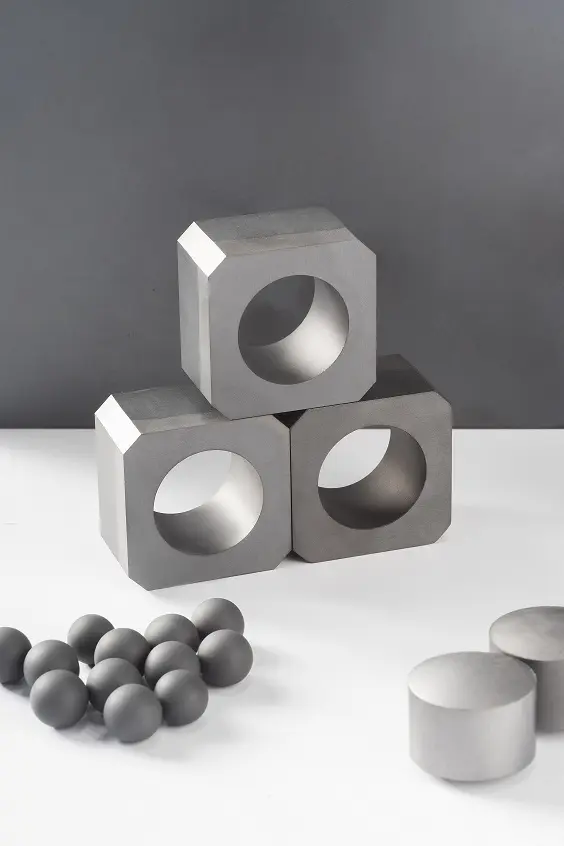
What is Boron Carbide Ceramic?
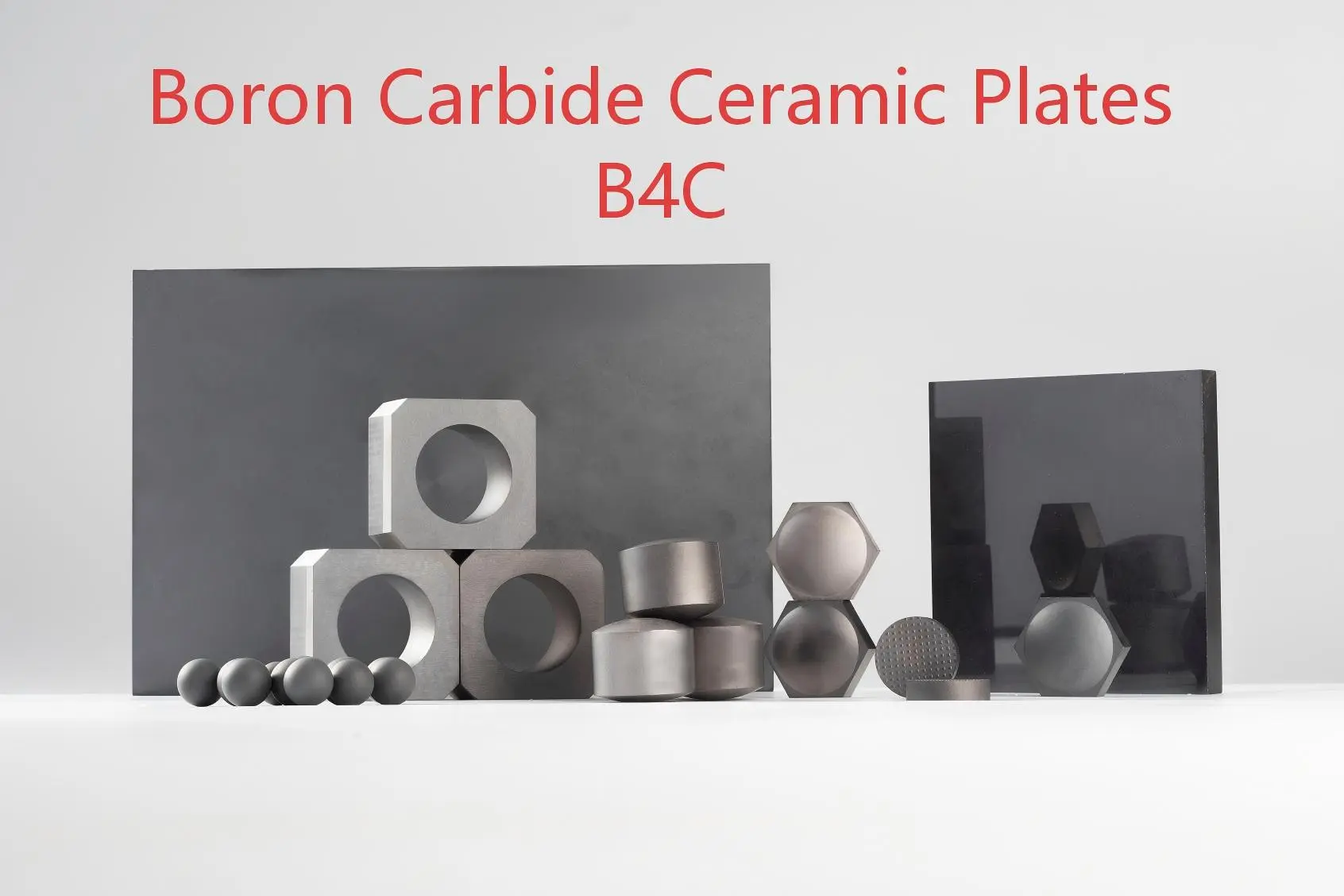
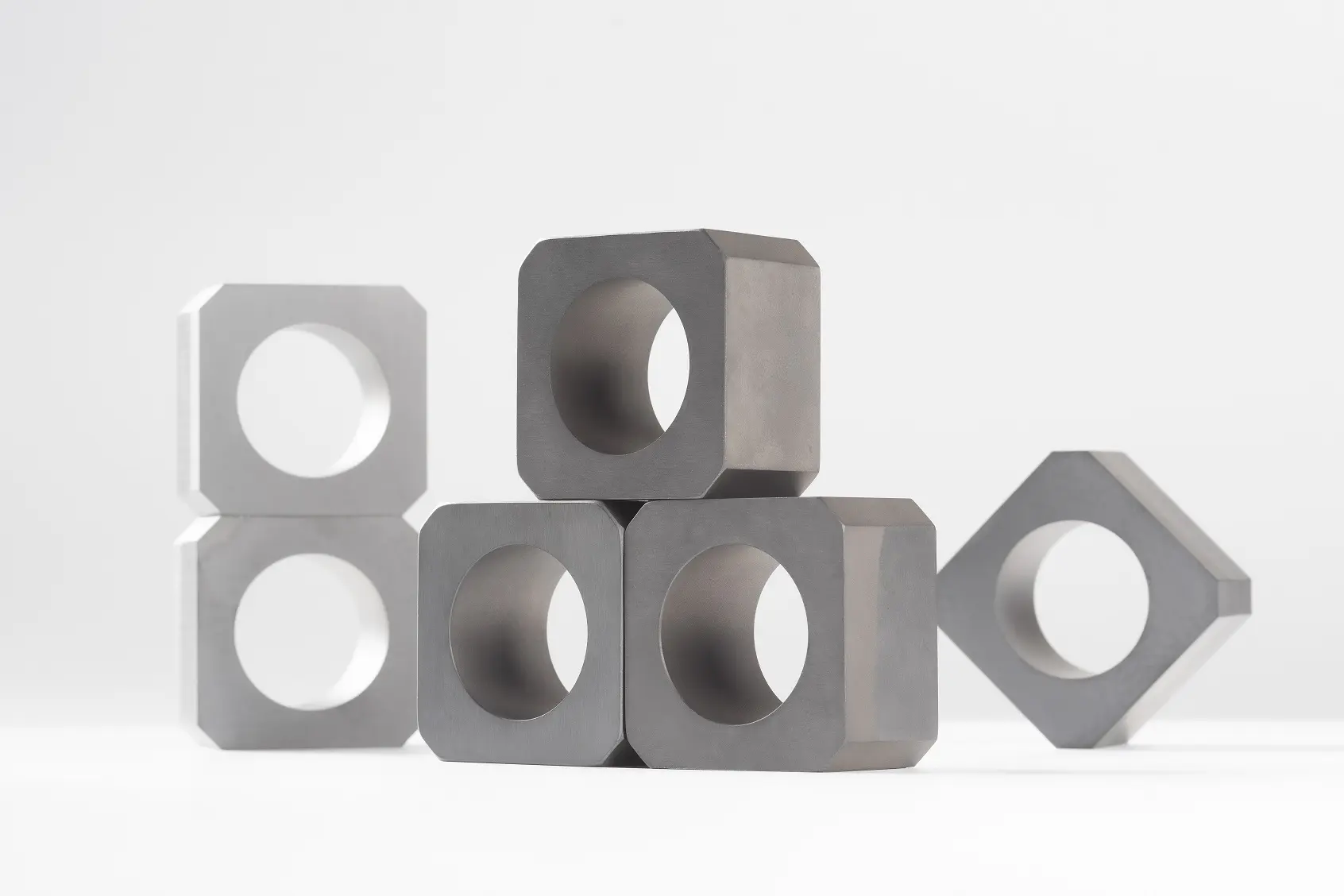
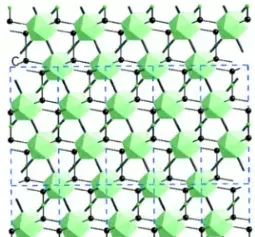
Boron carbide ceramic, also known as B4C, is one of the hardest technical ceramic materials. It has a low density and high hardness, as well as good wear resistance and chemical stability. Its crystalline structure features icosahedral boron clusters bound by carbon atoms, which gives it both its hardness and thermal stability. This makes it a crucial advanced ceramic material for various critical industrial applications.
Its remarkably low density and high hardness give it superior energy absorption against ballistic threats, making it an essential component of bulletproof plates. This is why B4C has become a popular choice for military vehicles and aircraft protection systems. B4C is also found in nozzles used for high-wear blasting and ceramic tooling dies. In nuclear reactors, B4C’s neutron absorption and chemical resistance properties make it an ideal material for control rods and other shielding applications.
These characteristics also make boron carbide an excellent material for electronic ceramics. Its insulating properties allow it to keep temperature conditions stable, which is important for high-frequency and power devices. In addition, boron carbide ceramic has superb acid resistance. This feature allows it to withstand harsh environments, such as high temperatures and corrosive chemicals.
B4C can be produced using a variety of manufacturing techniques, including hot pressing, hot isostatic pressing, and pressureless sintering. Each of these methods uses heat and isotropic pressure to densify the boron carbide ceramic, which results in a strong and durable product. However, the best boron carbide ceramic performance factories use spark plasma sintering (SPS), a fast and cost-effective process that provides consistent quality with high yield.
Another advantage of boron carbide is its low thermal expansion. This property is useful in electronics and other applications where small changes in temperature can cause significant problems. This is particularly true when a device is operating at very high speeds, as in the case of an engine.
Boron Carbide Ceramics in the Life Sciences
In vitro experiments have demonstrated that B4C can effectively inhibit cell proliferation. The study used a T98G cancer cell line grown in 96-well plates. The cells were exposed to varying concentrations of native and functionalised B4C for 24, 48, or 72 hours. After this period, the cells were lysed and stained with MTT dye (3-(4,5-dimethylthiazol-2-yl)-2,5-diphenyltetrazolium bromide). The results showed that boron carbide significantly reduced the rate of cell proliferation.
This research demonstrates that B4C can be successfully used as an anti-tumor agent, potentially enabling the development of a range of new therapeutics for a wide range of cancers. It is important to note, however, that the research only focused on negatively-charged surface modifications. Further research is required to explore the effects of positively-charged modifications on tumour targeting.