The Role of Boron Carbide in Nuclear Reactors
Core Application: The "Controller" of the Reactor
The chain reaction in a nuclear reactor must be regulated by controlling the number of neutrons. Boron carbide is an ideal material for this critical task.
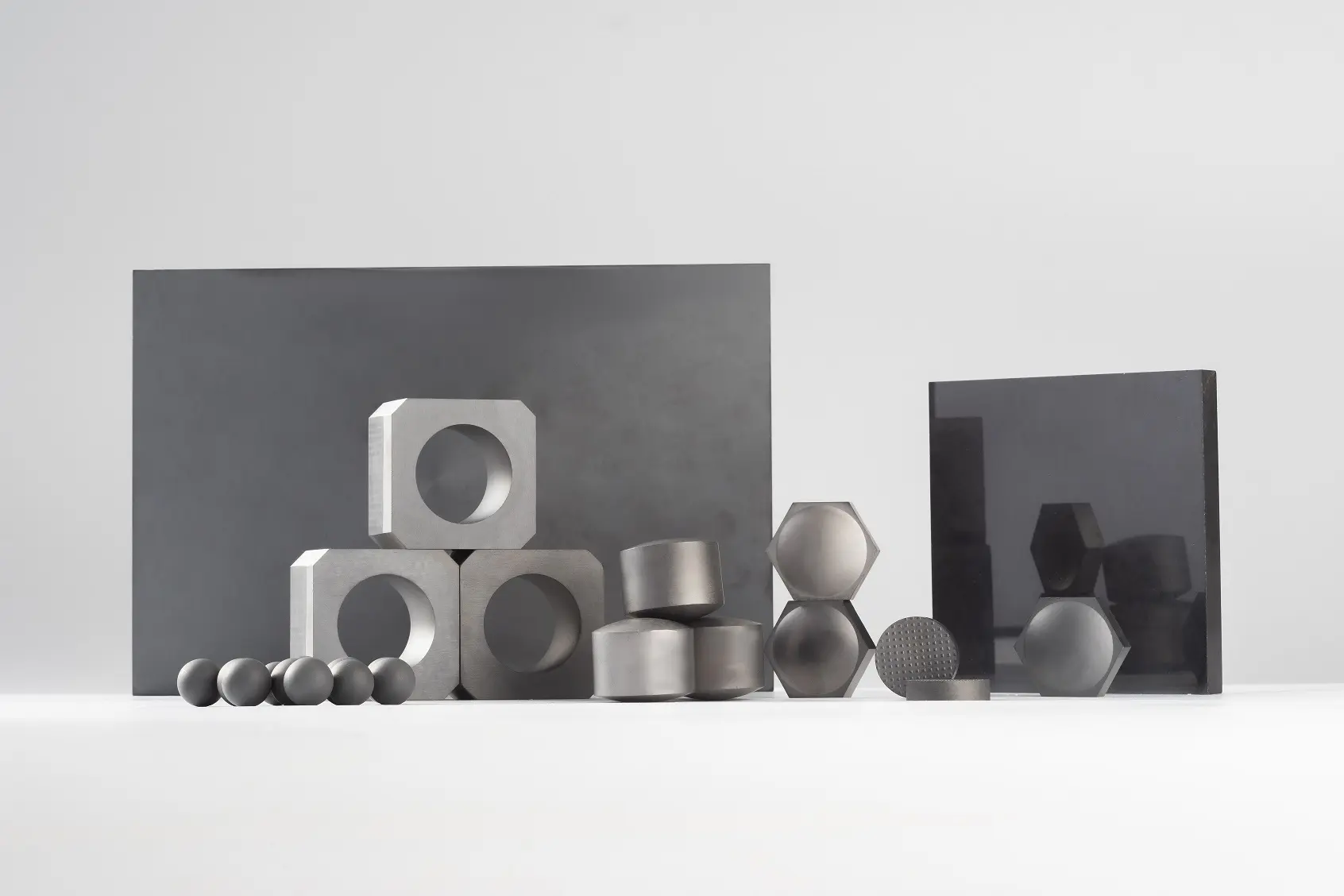
Controlling the nuclear reaction rate: Boron carbide is manufactured into control rods. When these control rods are inserted into the reactor core, boron carbide absorbs a large number of neutrons, slowing down or even stopping the chain reaction. Conversely, withdrawing the control rods allows the reaction to accelerate or resume. Its functions include fine compensation of reactivity loss, load-following, and emergency shutdown, making it a core component for safe reactor operation.
Achieving precise control: The reactivity worth (i.e., control capability) of a single control rod or a group of rods is expressed as a percentage. For pressurized water reactors, the total reactivity worth of all control rod groups is typically around 7% to 10%.
Core Application: The "Shield" Against Radiation
Beyond active control, boron carbide also provides passive safety protection for the reactor and personnel.
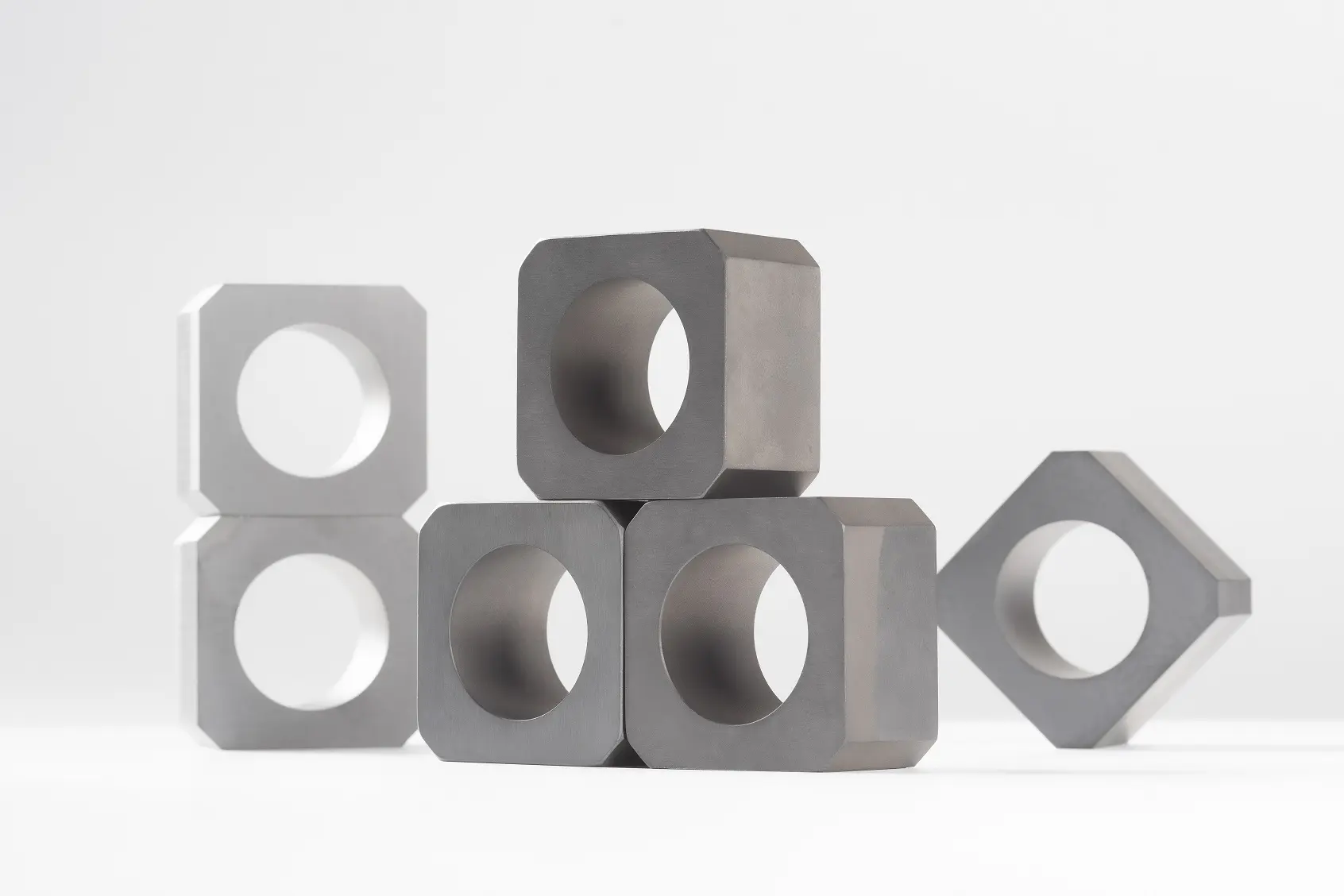
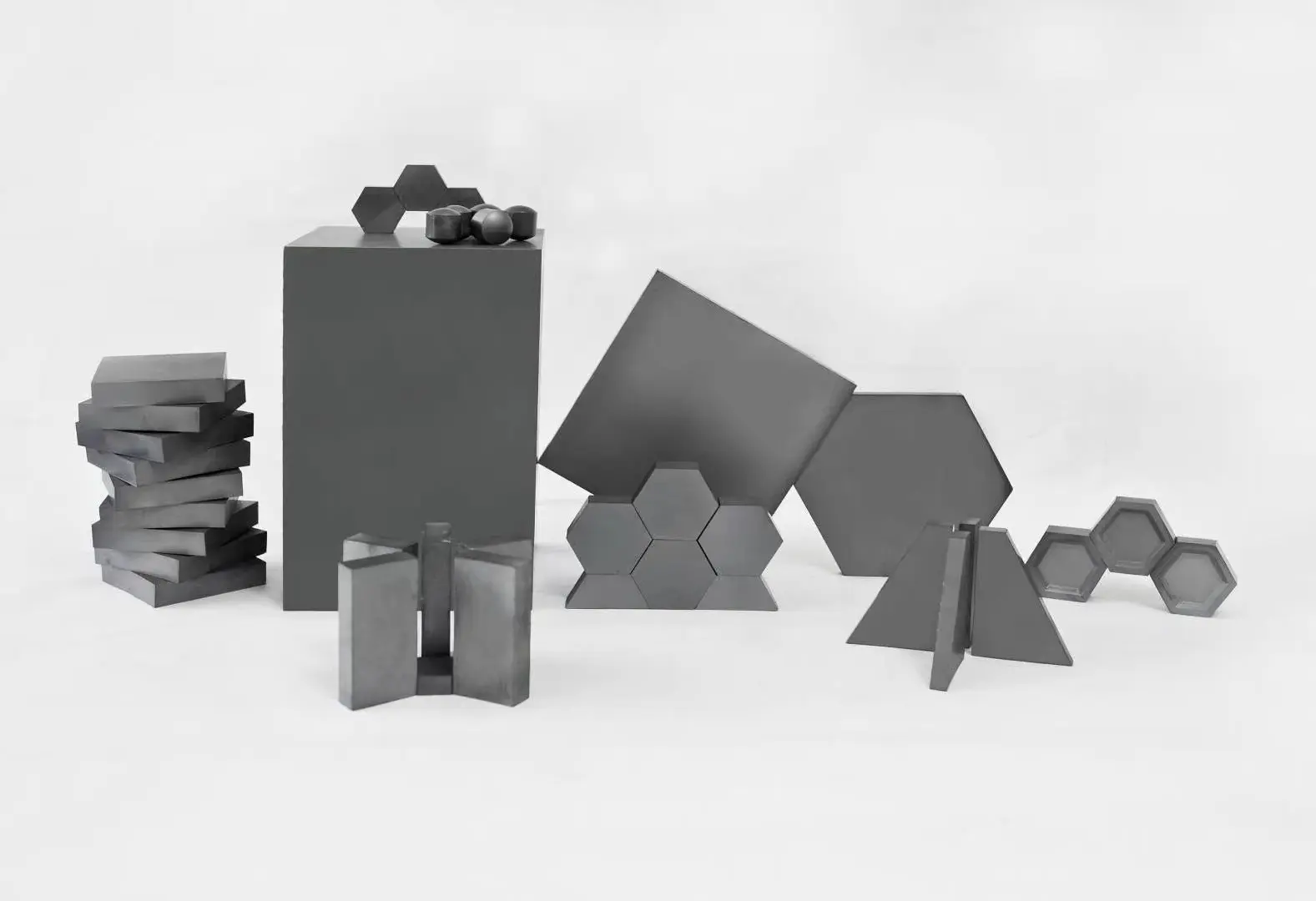
Shielding neutron radiation: Boron carbide is often used as a neutron shielding material, made into neutron shielding tiles, plates, or layers to prevent neutron leakage from the core, thereby reducing radiation risks to equipment and personnel.
Significantly superior performance: Experimental studies have shown that boron carbide's neutron shielding performance is significantly better than that of other common materials such as titanium hydride and zirconium hydride.
Core Application: The "Manager" of Nuclear Waste
Spent nuclear fuel continues to emit neutrons and requires safe management. Boron carbide plays a crucial role in this regard.
Ensuring safe storage and transport: Boron carbide is widely used in storage and transport containers for spent nuclear fuel. It effectively absorbs neutrons emitted by the fuel, ensuring it remains in a safe, subcritical state throughout storage and transportation.
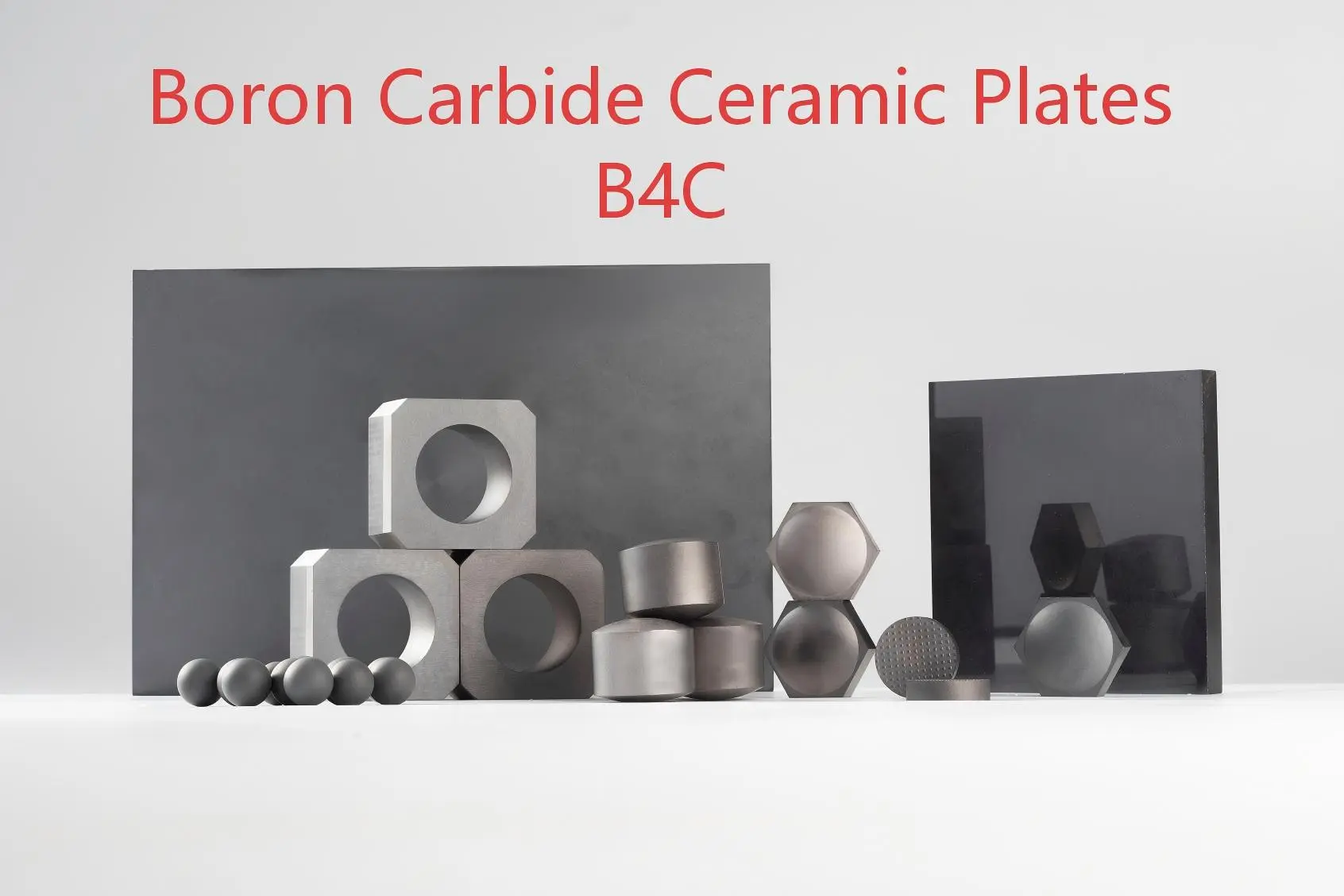
Efficient composite material: In practical applications, to combine structural strength with neutron absorption performance, boron carbide particles are often uniformly dispersed in a metal matrix such as aluminum, creating boron carbide/aluminum (B₄C/Al) neutron-absorbing composites. This material is lightweight, strong, and thermally conductive, making it an ideal choice in this field.
Why Boron Carbide?
Boron carbide is chosen for these vital roles due to its unique material properties:
Excellent neutron absorption capability: This is its most fundamental advantage. Boron carbide contains a high proportion of the boron-10 (10B) isotope, which has a thermal neutron absorption cross-section of about 4000 barns (a measure of absorption probability), giving it an extremely strong ability to capture neutrons.
Stable post-absorption properties: After absorbing a neutron, boron carbide emits almost no hard secondary gamma rays, simplifying subsequent shielding and waste management.
Outstanding physical and chemical properties: It has extremely high hardness (Mohs hardness ~9.5) and is chemically very stable, resisting most acids and alkalis. This ensures a long service life in harsh radiation and corrosive environments. Additionally, it has low density, a high melting point (~2450 °C), and good thermal stability.
Relatively low cost: Compared to materials with similar hardness (e.g., diamond), boron carbide is significantly cheaper to produce, and its raw materials are relatively abundant, enabling large-scale industrial application.
Further performance enhancement: In advanced applications, using boron-10 enriched boron carbide or employing composite, nano‑structured, or other processes can further improve its neutron‑absorption and mechanical properties under specific conditions.